Speaker Voices is a triptych of practice pieces based on field recordings from different contemporary human contexts. Voices from loudspeakers are fascinating. They are usually emitted from a single speaker directed to a large group of listeners, a kind of abstract listening object adressed by the speaker. Here, I reversed the relationship and created speaking objects made from many simultaneous voices directed to one listener. This strips off the informational content of individual messages, and instead reveals tonal gestures and mannerisms common to the context of the recording event. Each work has its own simple but strict compositional rules. All field recordings where made with an iPhone SE. The resulting smudge, noise and restoration artefacts have been put to good use in all three pieces.
Available on Bandcamp and major streaming platforms.

Train
Speakers
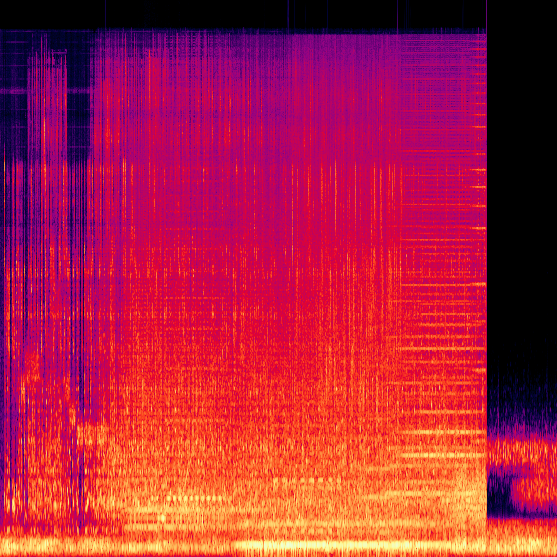
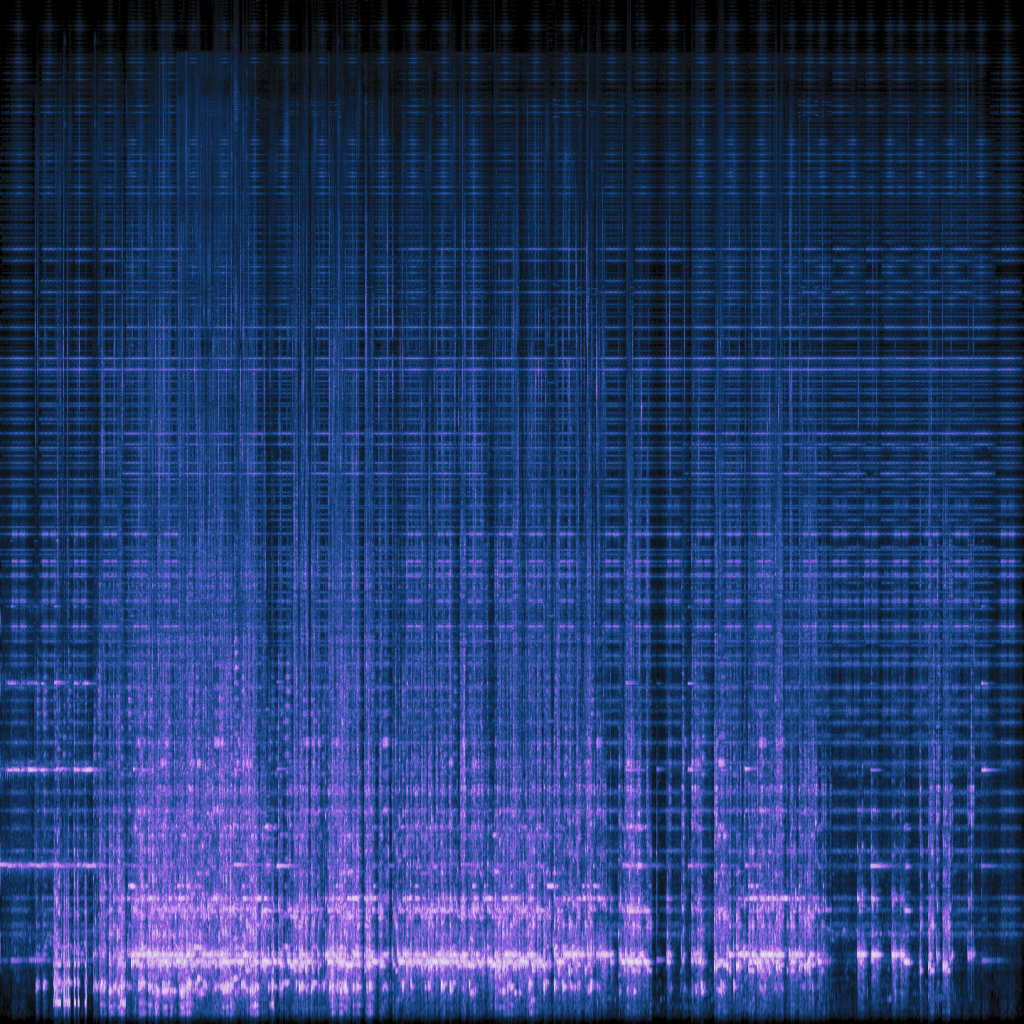
Based on field recordings from international long-haul trains in Europe. The respective lengths of individual recordings have been kept intact, creating ever new sonic combinations of overlays as these are looped. Certain passages were selected for effects processing, to generate an expressive underlying sound sculpture as backdrop to the speaking object. Recording artefacts such as spoken words and sounds from individual travellers have been kept in the work for contrast. (7:31)
Climate
Speakers
Based on field recordings from a climate conference in Stockholm. Here, the first mention of the word business has been used as the clue to align the overlaid individual recordings in time. The recordings have been used for input to a classic Buchla modular synthesizer, either as audio or control signals or both, to sculpt the musical and narrative backdrop. Recording noises such as subway sounds have deliberately been kept and used as expressive tools. This speaking object is deceptive and evil, and I am very angry. (6:37)
Yoga
Speakers
Based on field recordings from a yoga retreat in France. The recordings have been aligned in time at the first strike of the gong. Recordings were processed with sound restauration software which revealed tonal information in noises and clicks, and created interesting sonic artefacts. A gong sound was used to generate the wavetable for the synthesis of the underlying drone. Pitch information in the voice recordings were used to create the melodic lines, using short spoken quotes for the respective wavetables used in synthesis. (9:02)
 Gullfot